Sleep pressure
The longer you are awake, the more sleep pressure you build up. That's what makes you fall asleep at night. A long afternoon nap or an extra hour in bed lowers that pressure, and then you lie awake longer at night.
Lying awake for ages, or getting up as if you never slept. In the Sleep theme you find a steady rhythm that suits you. Your weekly check-in shows whether your nights get better.
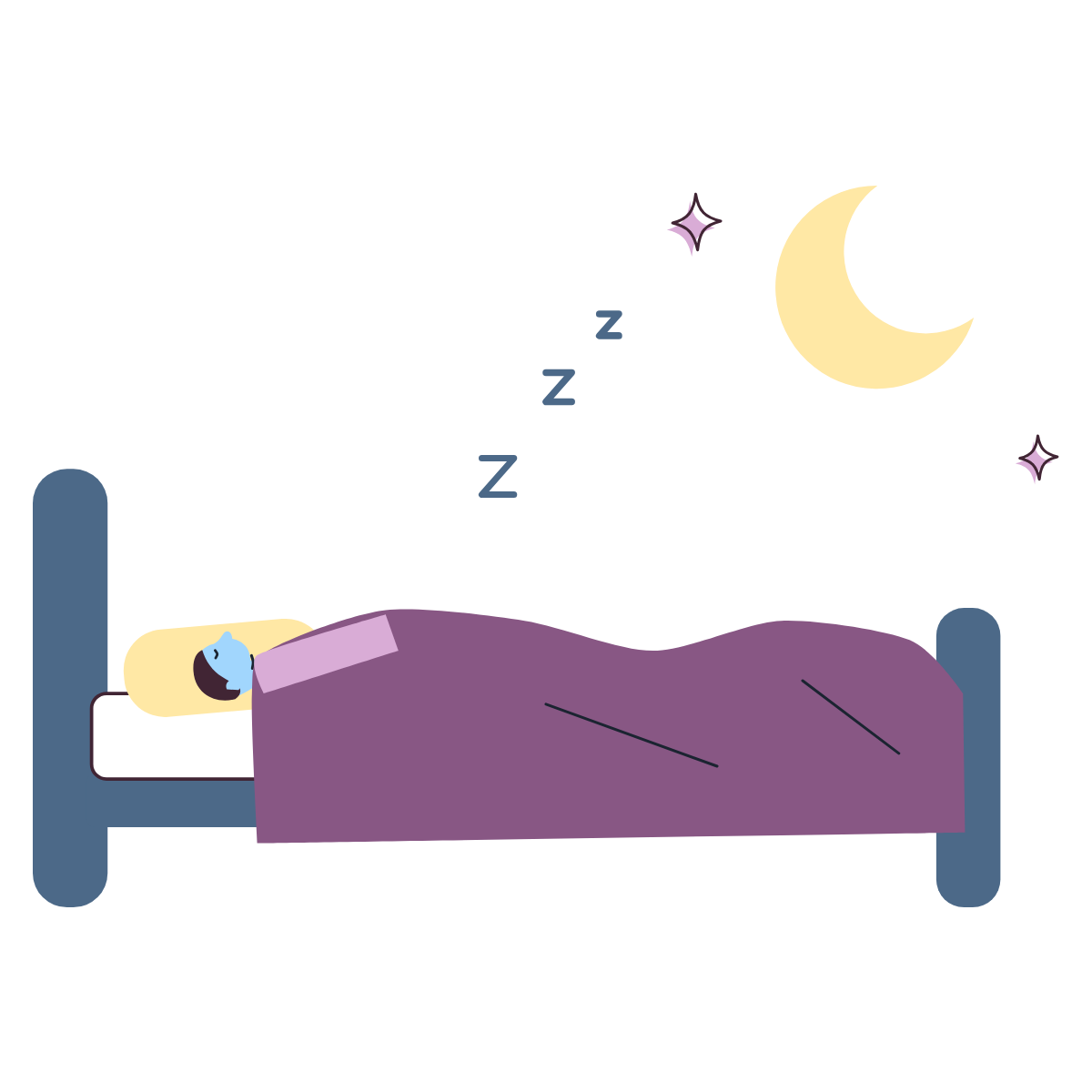
The longer you are awake, the more sleep pressure you build up. That's what makes you fall asleep at night. A long afternoon nap or an extra hour in bed lowers that pressure, and then you lie awake longer at night.
Your body has a clock that decides when you get sleepy. Daylight in the morning and a fixed time to get up set that clock right every day.
Sleeping in at the weekend feels nice, but on Monday it feels like jet lag. If you get up at about the same time every day, you also get tired on time in the evening.
These are the exercises in the app. Finish a step and the next one opens.
Pick a fixed time to get up and a calm last hour.
At the start of your last hour before sleep, write down what needs doing tomorrow. Then your head doesn't have to hold on to it.
Make a plan by day for when you lie awake at night.
See which habits cut your night short and pick one to change.
Talk in four steps about your nights and what you want to change.
Every exercise in the app comes from somewhere. In the app you find the research behind each exercise, with the source.
MindMoment is an app for young adults who want to grow mentally stronger. You start with a few short questions. Then the app puts the themes in an order that suits you.
Use the app whenever it suits you, at your own pace.
You decide what you share, and with whom. We handle your data with care.
A path of short exercises, and a deeper dive per theme whenever you want.
On a waiting list, or already seeing someone? Then they can follow along in the app, if you want them to.
Read how that worksMindMoment is not a treatment. Are you really struggling right now? Call your GP, or talk anonymously to 113 on 0800-0113. You can, day and night.
If you lie awake for a long time, it often helps to get up and do something calm. That keeps your bed a place for sleeping. In the 20-minute plan you decide by day what you will do then.
No. In Your sleep check you see which habits cut your night short. You pick one to start with. Small steps are easier to keep up.
A therapist or coach only sees it if you enter their code and say yes. You can withdraw that at any time. We handle your data carefully and transparently.
During the testing phase, MindMoment is free to use for our testers.
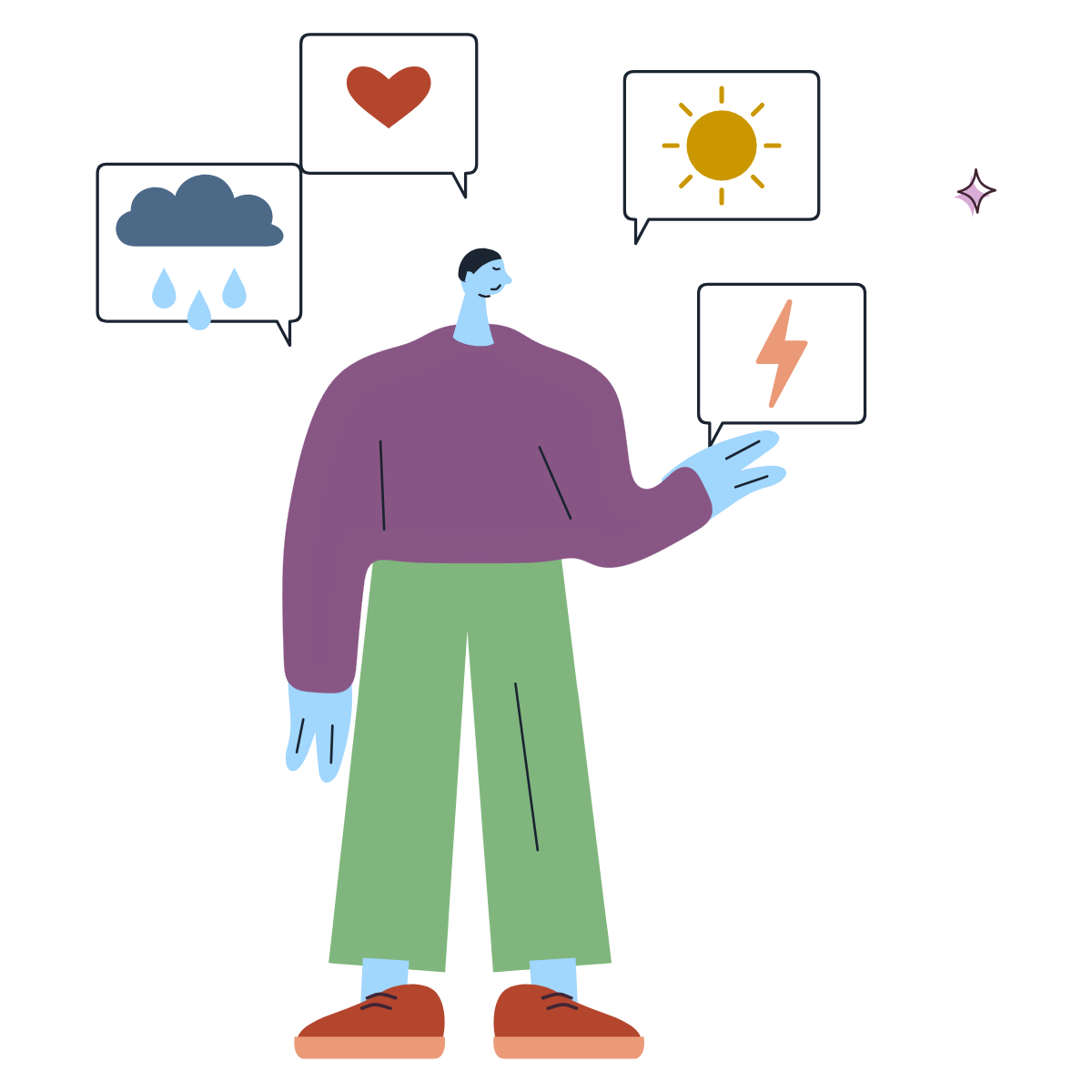
Learn to recognise what you feel and what it wants from you. From just 'bad' to knowing what is really going on.
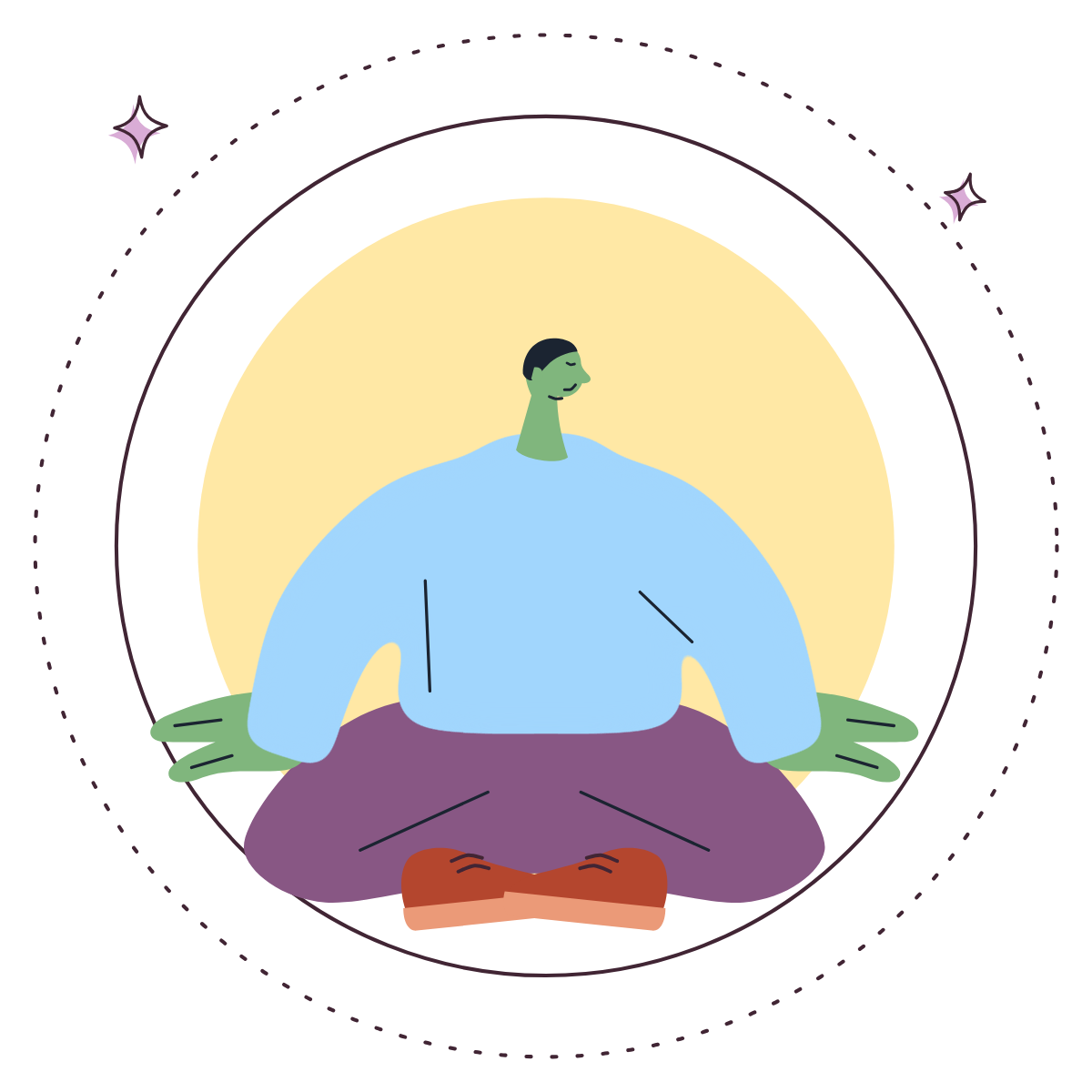
Less pressure, less worrying. Learn how to let tension settle.
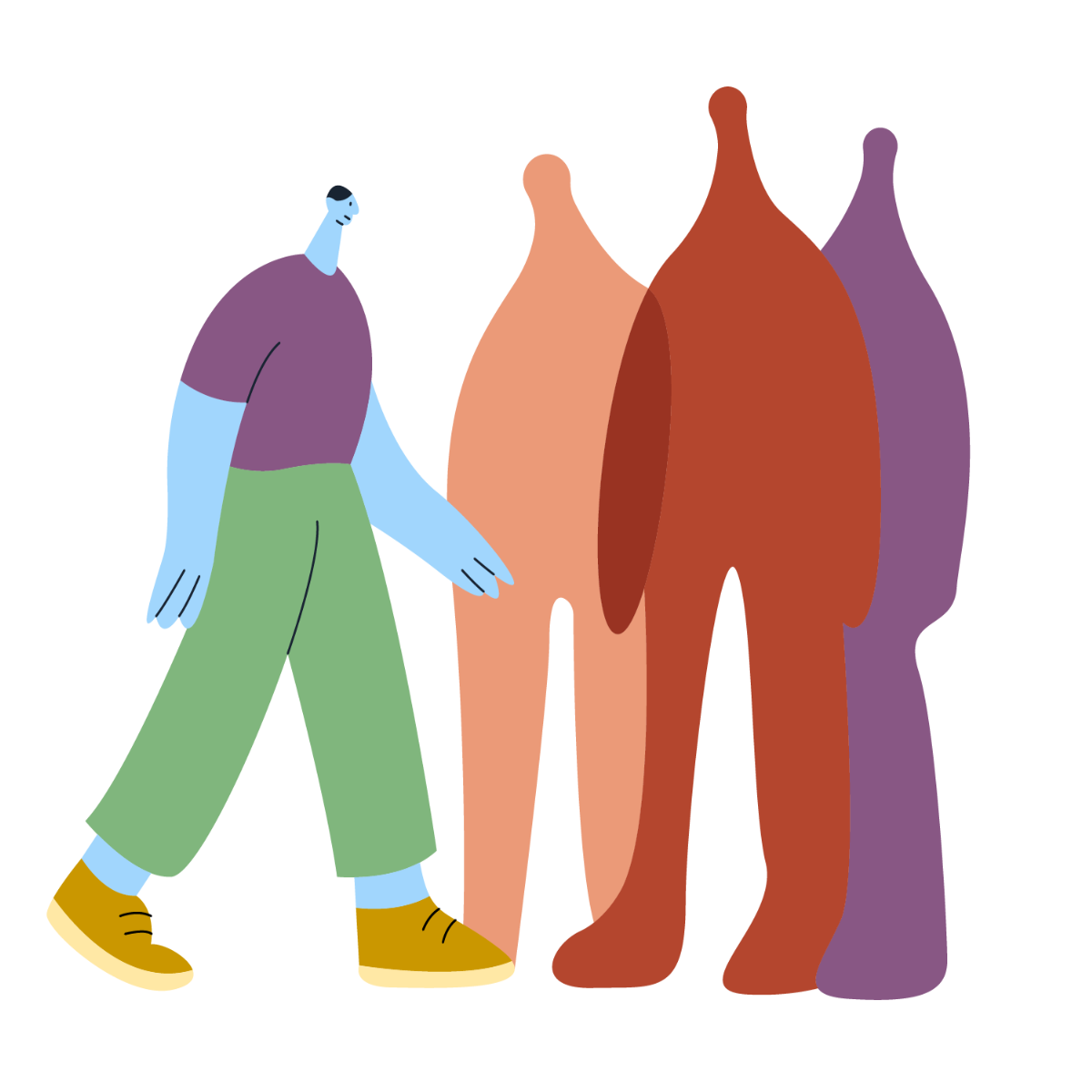
See who is around you, and who you'd like closer. Sometimes one text is enough to start.
More of what gives you energy. In your job, side job or studies.
Discover what really matters to you. It makes choosing easier, from a job to your Saturday night.
Download MindMoment and start with the theme that fits you right now.